
How to Choose the Right Food-Grade Packaging for Your Product
What Makes Packaging "Food-Grade"?
Food-grade packaging means the materials have been tested and certified safe for direct contact with food. This isn't a marketing term — it's a regulatory requirement enforced by agencies worldwide.
Key Certifications to Look For
Certification | Region | What It Covers |
FDA | United States | Food contact substance safety |
EU 1935/2004 | European Union | General food contact materials |
GB 9685 | China | Food contact additive standards |
LFGB | Germany | Stricter food contact testing |
BPA Free | Global | No bisphenol-A in materials |
What FDA Compliance Actually Means
FDA food-contact approval means the packaging material has been tested for:
· No toxic migration — chemicals won't transfer into food
· No harmful additives — all components are on the FDA's approved list
· Stable at intended temperatures — material won't degrade during use
· No physical contamination — no loose particles or shedding
Always ask your packaging supplier for FDA certification documentation. At JieSu Packaging, we provide FDA certificates for all food-grade products upon request.
Step 1: Understand Your Product's Needs
Before choosing any material, you need to answer these questions about your product:
What Type of Food Is It?
Food Type | Primary Concerns | Recommended Materials |
Dry foods (nuts, grains, snacks) | Moisture, oxygen | PET/PE, PET/VMPET/PE |
Fatty foods (chips, fried snacks) | Oil resistance, oxygen | OPP/VMPET/PE, PET/AL/PE |
Fresh meat/seafood | Bacteria, oxygen, moisture | PA/PE (vacuum), PET/NY/AL/PE |
Liquid foods (sauces, beverages) | Leaks, oxygen, seal integrity | PET/PE, PET/NY/AL/PE |
Frozen foods | Freezer burn, moisture | PA/PE, PET/NY/PE |
Hot-fill products | Heat resistance | PET/NY/PP, special heat-stable structures |
Aromatic foods (coffee, spices) | Aroma retention, oxygen | PET/AL/PE, Kraft + AL (coffee) |
What Shelf Life Do You Need?
Desired Shelf Life | Minimum Barrier Level | Suggested Structure |
1-3 months | Standard | OPP/CPP, PET/PE |
3-6 months | Good | PET/VMPET/PE |
6-12 months | High | PET/AL/PE, PA/AL/PE |
12-24 months | Very High | PET/NY/AL/PE, PA/EVOH/PE |
What Storage Conditions Apply?
· Ambient (room temperature): Standard barrier is usually sufficient
· Refrigerated: Materials must remain flexible at low temperatures
· Frozen: Must withstand -18°C to -40°C without cracking
· Hot display: Materials must resist softening and deformation
Step 2: Choose Your Packaging Format
Once you understand your product's needs, choose the right format:
Pouches vs. Bags vs. Rigid Containers
Format | Pros | Cons | Best For |
Stand Up Pouch | Good shelf presence, lightweight, resealable | Not suitable for very heavy products | Snacks, coffee, pet food |
Flat Bottom Pouch | Premium look, 5 printing panels | Higher cost than stand up | Premium food brands |
Side Sealed Bag | Most cost-effective, fast production | No stand-up ability | Chips, biscuits, samples |
Spout Pouch | Great for liquids, resealable | Higher cost than simple pouches | Beverages, sauces |
Vacuum Bag | Maximum freshness extension | Requires vacuum equipment | Meat, cheese, coffee |
Paper Bag | Natural look, eco-friendly | Limited barrier | Bakery, gifts, retail |
Rigid Container | Maximum protection, premium feel | High cost, heavy shipping | Premium goods, long-shelf items |
Request Free Samples | Get a Quote | Email: reganli@126.com
Tell us about your product, and we'll recommend the best packaging materials and format for your needs.
 How High-Barrier Vacuum Packaging Extends Rice Freshness for The Ultimate Guide to 25kg/50kg Export Grade PP Woven Sacks
 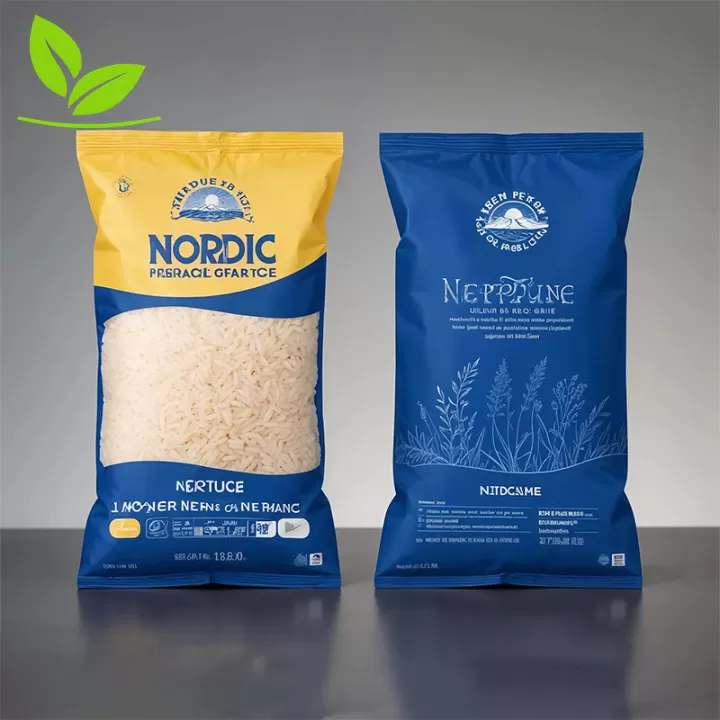 Why BOPP Laminated Bags are the Choice for Premium Rice Bran
 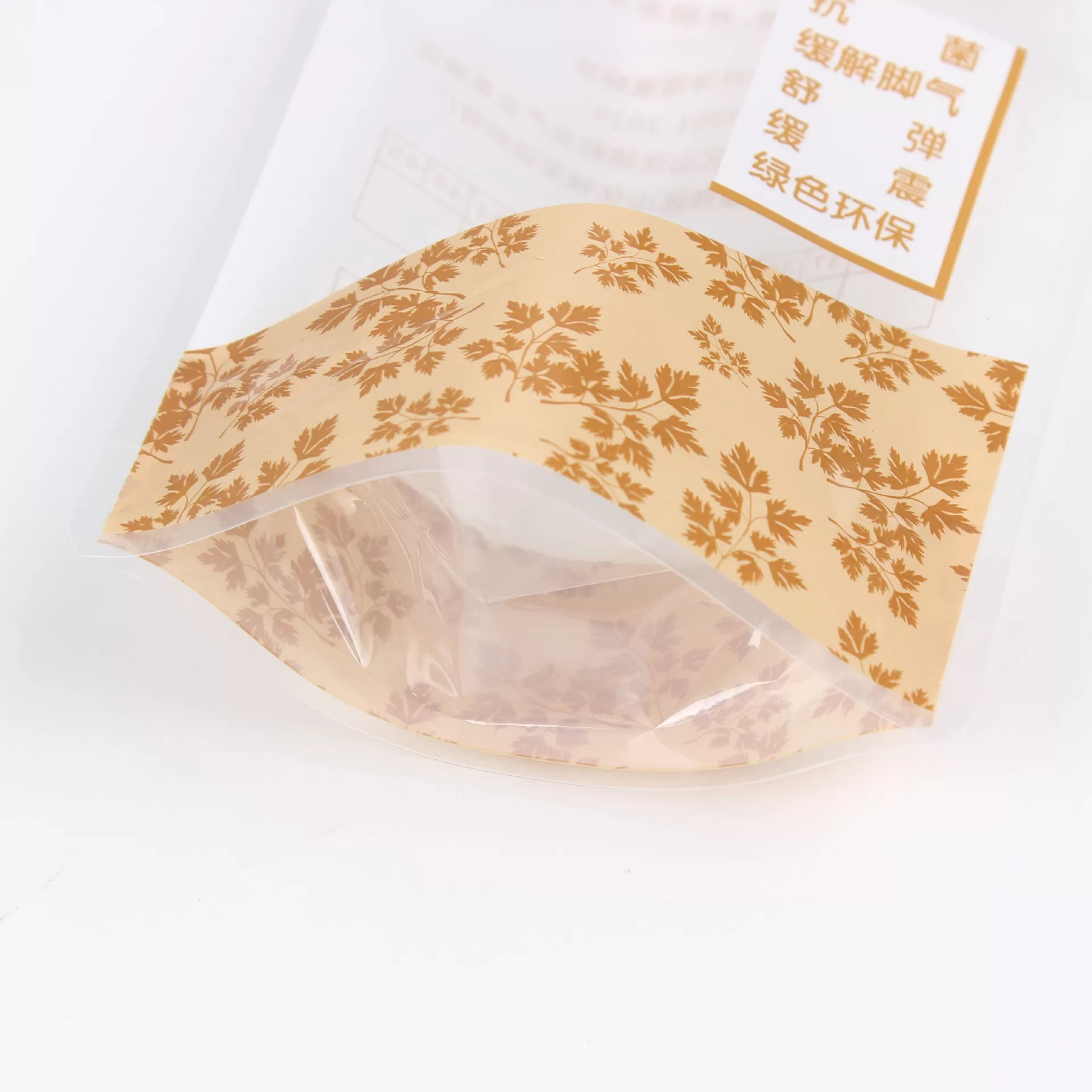 Understanding Food-Grade Packaging Certifications (FDA, SGS)


- Zhaowang and Dongguang, Tianhe Distric
