
How High-Barrier Vacuum Packaging Extends Rice Freshness for International Export
Exporting rice is a race against time, moisture and insects. A container that leaves the mill with clean, aromatic grain can arrive three months later with clumped, dull or infested product — and the loss is almost always traced back to the package, not the grain. This article explains how high-barrier vacuum packaging works, where it fits in an export programme, and what to specify when you order.
1. What actually destroys rice quality in transit
Three mechanisms do the damage, and they reinforce each other:
Moisture migration. Rice is hygroscopic. In a humid hold or a tropical warehouse it absorbs water, and in a dry climate it gives it up. Both shift the grain away from its ideal moisture window and open the door to mould.
Oxidation. Trace lipids in the bran layer oxidise slowly. This is what produces the stale, cardboard note buyers reject — even when the grain looks fine.
Insects. Eggs surviving in the grain hatch in transit. Fumigation controls them but adds cost, residue paperwork and, in several destination markets, growing regulatory resistance.
2. What "high-barrier" means in a vacuum bag
A vacuum bag is not automatically a barrier bag. Standard monolayer PE pouches evacuate well but let oxygen and water vapour back in at a rate that limits shelf life to months. A high-barrier structure puts a polyamide (PA / nylon) layer against the product and a polyethylene (PE) sealing layer on the inside:
PA (outer / mid layer): carries the puncture resistance and, critically, the gas barrier. It is what slows oxygen ingress back down after evacuation.
PE (inner layer): provides the heat-seal surface and the moisture barrier, and is the layer that must be food-contact compliant.
The practical result: the pouch holds its vacuum instead of relaxing over a few weeks, and the grain stays in the condition it was packed in. Depending on the structure, initial moisture content and storage temperature, export-packed rice in high-barrier vacuum packs is commonly specified for 18–24 months of shelf life.
3. Pest control without chemicals
This is the argument that most often decides it for exporters. Once a pack is sealed under vacuum, there is no free oxygen for insects to respire. Eggs already present cannot develop, and no new infestation can enter. In practice that means:
no fumigation step, and no fumigation residue declaration in the destination market;
no chemical treatment on the grain itself;
a cleaner story for retail buyers who are being asked by their own customers about pesticide residues.
Note the boundary: vacuum packaging suppresses insects, it does not sterilise grain. It works with good hygiene and proper moisture control at the mill, not instead of them.
4. Where thickness matters
Thickness is chosen against the product, not against a catalogue. Sharp, hard contents — bone-in meat, hard grain with husk fragments, frozen blocks — need a heavier structure to survive handling. Typical choices:
Around 100 µm PA/PE: the general-purpose food-grade option for rice, grains and most dry products. Good clarity, so the grain is visible on shelf.
Heavier structures (150 µm and up): for sharp or heavy contents where puncture resistance during palletising and container loading is the main risk.
5. Specification checklist before you order
Structure and total thickness — state PA/PE and the target micron; ask for the seal-strength and barrier data sheet.
Food-contact compliance — FDA and/or EU food-contact declaration for the PE sealing layer, plus the plant's ISO 9001 certificate.
Seal integrity — confirm the sealing window with your own machine before committing to volume; most field failures are seal failures, not film failures.
Pack size and format — retail sizes need print registration and, ideally, an easy-open feature; bulk sizes prioritise drop and stack performance.
Print — rotogravure handles multi-colour photographic work; confirm colour count and whether matte or gloss finish suits the brand position.
6. Getting started
The cheapest way to de-risk a switch to vacuum packaging is to pack a small trial lot, ship it on a normal route, and open it at destination alongside your current pack. Compare moisture, aroma and insect presence side by side — the result is far more convincing than any data sheet.
JieSu Packaging supplies food-grade PA/PE vacuum pouches and embossed vacuum sealer rolls for rice, grains, meat and retail food applications, with free samples available for evaluation. Send us your product, target pack size and destination market, and we will recommend a structure and quote it.
 How High-Barrier Vacuum Packaging Extends Rice Freshness for The Ultimate Guide to 25kg/50kg Export Grade PP Woven Sacks
 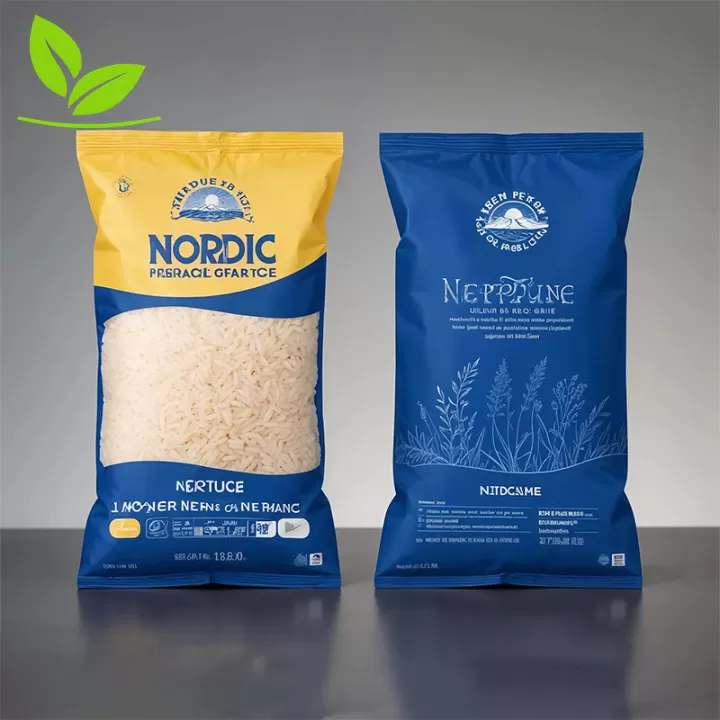 Why BOPP Laminated Bags are the Choice for Premium Rice Bran
 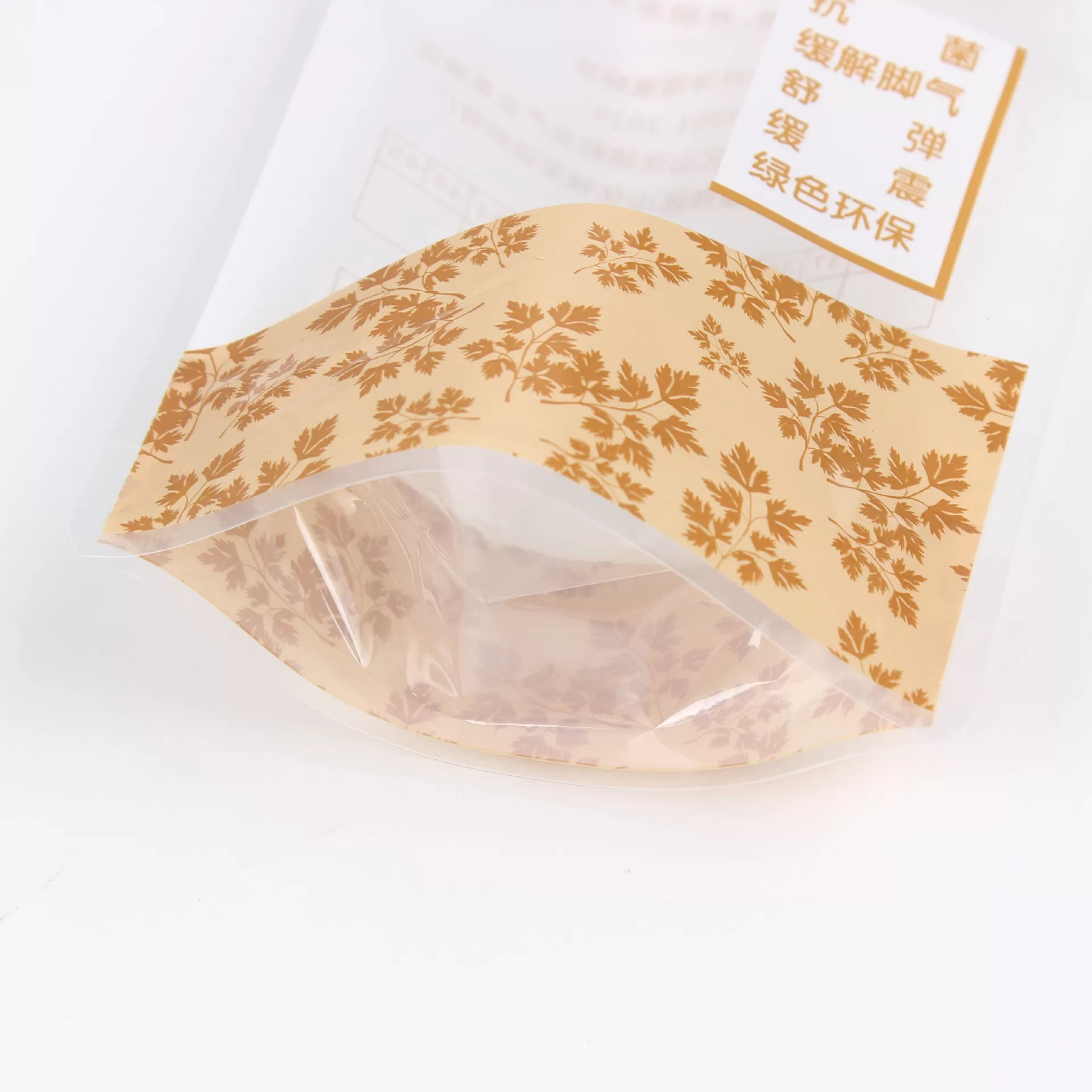 Understanding Food-Grade Packaging Certifications (FDA, SGS)


- Zhaowang and Dongguang, Tianhe Distric
