
The Ultimate Guide to 25kg/50kg Export Grade PP Woven Sacks for Grain Trade
For grain traded in bulk, the 25 kg and 50 kg woven sack is still the workhorse of the industry. It is cheap per unit of product carried, it survives rough handling, and it stacks. But "a woven sack" covers a very wide range of quality, and the difference between a bag that arrives intact and one that bursts at the port is almost always in the specification. This guide covers what to specify and what to check.
1. How a PP woven sack is built
The base material is woven polypropylene tape fabric. The two variables that matter most are fabric weight (how much resin is in the cloth) and weave density. A light, loose fabric will carry 25 kg on a pallet in a warehouse and fail on a container ramp. From there, options are added:
PE coating / lamination: a polypropylene or polyethylene layer applied to the fabric. It closes the pores of the weave, which is what makes the bag moisture-resistant and keeps fine product from sifting out.
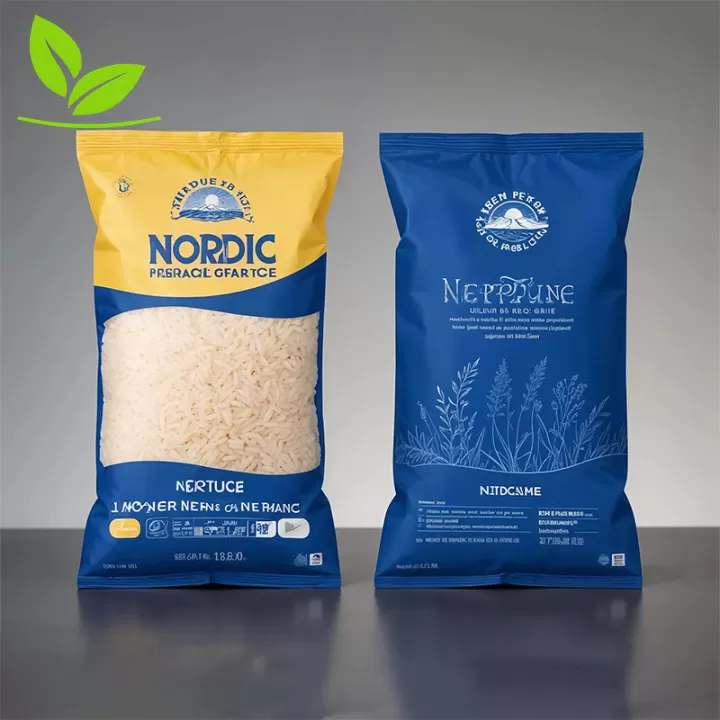
BOPP lamination: a printed BOPP film laminated onto the fabric. This is the step that turns a commodity sack into a retail-ready printed bag — high-definition, multi-colour, gloss or matte.
Inner liner: a loose or bonded PE liner for products that need a stronger moisture barrier than the coating alone provides.
2. Choosing between 25 kg and 50 kg
The choice is rarely about the bag — it is about the handling chain at the destination.
50 kg: lowest packaging cost per tonne and fewer bags to handle. Common where destination labour is manual and bag counts matter less. Heavier bags place more demand on fabric weight and seam strength.
25 kg: standard where manual handling rules, ergonomic limits or retail redistribution apply. Easier to stack by hand, easier to sell through, and more forgiving on seam specification.
If your route involves multiple transhipments, or destination warehousing without pallets, the safer move is usually to specify up rather than down.
3. What "export grade" should mean
Export grade is not a regulated term, so make it concrete in your purchase order. Ask the mill to confirm:
Fabric weight and weave density — stated, not implied.
Seam construction — how the bottom is closed (single/double fold, stitch count, whether the seam is taped or overlocked) and whether it is tested for sifting.
UV stabilisation — essential if bags will sit in open yards or on deck. Untreated PP degrades in sunlight far faster than most buyers expect.
Drop and stack performance — the bag should survive a defined drop height when filled, and hold a stacked pallet without seam creep.
Coating weight — if moisture protection is the point, the coating must be specified, not assumed.
4. Printing and branding
Where the sack doubles as the retail package, print quality drives the buying decision. Flexo printing on woven fabric gives limited graphic clarity. BOPP lamination with rotogravure printing supports photographic, multi-colour artwork with gloss or matte finish — and it is the reason premium rice and grain brands have moved away from plain woven sacks.
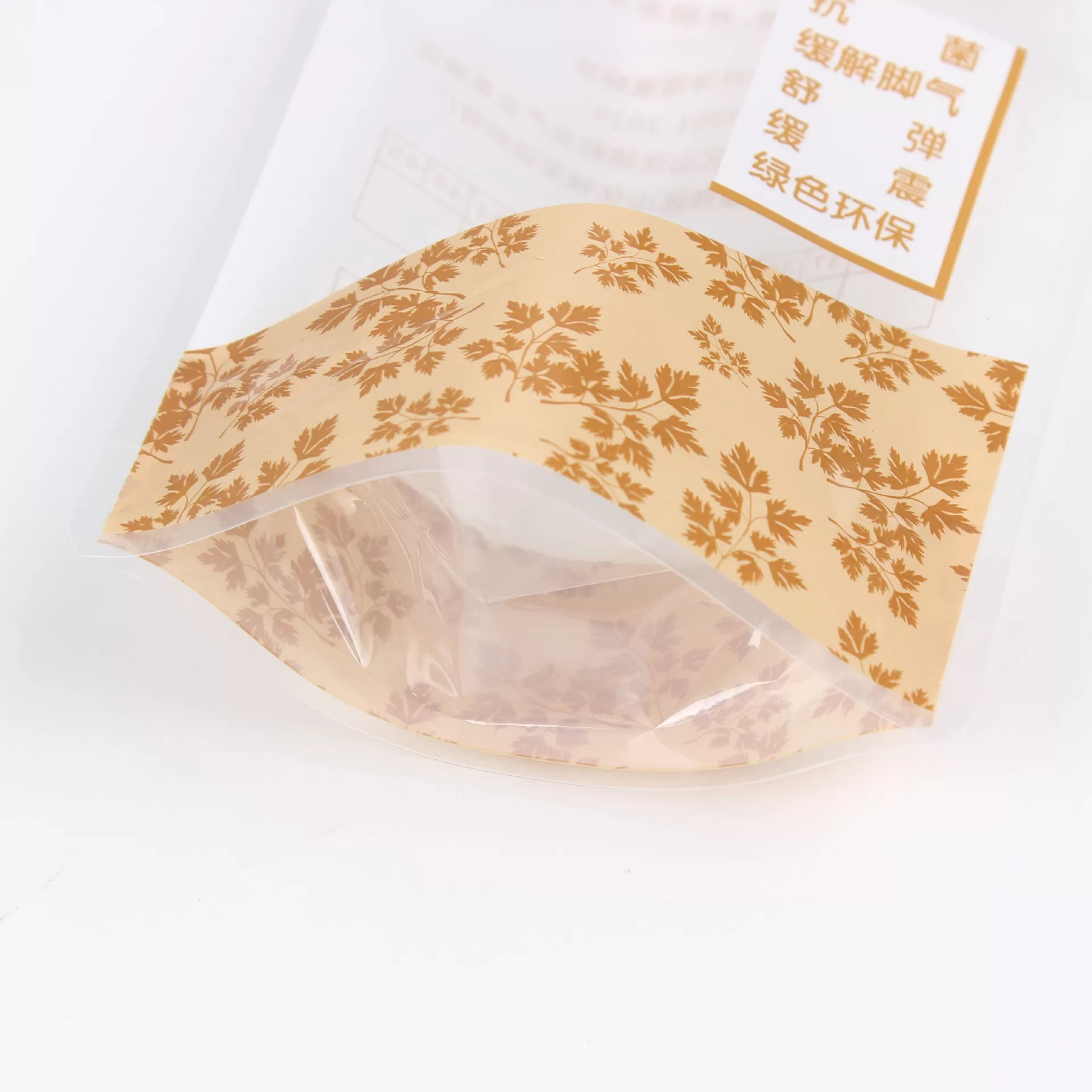
Common features worth specifying on the printed bag: easy-open zippers for resealability, punch or reinforced handles for carry, and transparent windows that let the buyer inspect grain length and whiteness before purchase.
5. Buying checklist
Product, fill weight and pack size (25 kg / 50 kg, or custom).
Fabric weight, coating and whether BOPP lamination is required.
Print method, colour count and finish.
UV treatment yes/no, and expected outdoor exposure time.
Food-contact requirements at the destination (FDA / EU), plus ISO 9001 for the plant.
Palletising and container-loading method — this drives the drop and stack requirement.
Samples before volume: fill, seal and ship a trial lot on the real route.
6. Bottom line
A woven sack spec that is written down is a bag you can hold the supplier to. The three things that decide whether a shipment arrives clean are fabric weight, seam construction and moisture protection — and all three are cheap to specify and expensive to discover missing.
JieSu Packaging manufactures standard export-grade PP woven sacks and BOPP-laminated printed rice and grain bags, with free samples for evaluation. Tell us the product, fill weight, destination port and print requirement, and we will quote a specification that matches the route.
 How High-Barrier Vacuum Packaging Extends Rice Freshness for The Ultimate Guide to 25kg/50kg Export Grade PP Woven Sacks
  Why BOPP Laminated Bags are the Choice for Premium Rice Bran
  Understanding Food-Grade Packaging Certifications (FDA, SGS)


- Zhaowang and Dongguang, Tianhe Distric
