
Biodegradable Packaging: A Complete Guide for Food Brands in 2026
The Sustainability Shift Is No Longer Optional
In 2026, sustainable packaging isn't a nice-to-have — it's a competitive necessity. Consumer demand, regulatory pressure, and retailer requirements are converging to make biodegradable and compostable packaging a mainstream expectation.
Consider these numbers:
· 73% of global consumers say they would definitely or probably change their consumption habits to reduce environmental impact
· 42 countries have implemented or announced bans on single-use plastics
· Major retailers (Walmart, Tesco, Carrefour) are setting sustainability targets for their suppliers
· The global biodegradable packaging market is projected to reach $27.9 billion by 2027
For food brands, the question is no longer "should we switch?" but "how and when?"
What Is Biodegradable Packaging, Exactly?
The terms are often confused. Here's what they actually mean:
Term | Definition | Breakdown Time |
Biodegradable | Can be broken down by microorganisms into natural elements | Varies widely (months to years) |
Compostable | Biodegradable under specific conditions, leaving no toxic residue | 90-180 days (industrial) |
Home Compostable | Compostable in a home composting setup (lower temperatures) | 180-365 days |
Oxo-degradable | Fragments into microplastics (NOT recommended) | Fragmentation only |
Recyclable | Can be collected and reprocessed into new materials | N/A (recycling process) |
Important: Not all biodegradable packaging is created equal. Look for certified compostable materials (OK Compost, TÜV Austria) rather than generic "biodegradable" claims.
Biodegradable Packaging Materials for Food
PLA (Polylactic Acid)
Source: Corn starch, sugarcane
Compostable: Industrial composting (60°C+)
PLA is the most widely used biodegradable plastic. It's clear, printable, and has good moisture barrier properties.
· ✅ Good clarity for window applications
· ✅ Printable with water-based inks
· ✅ Made from renewable resources
· ❌ Not suitable for hot foods (softens above 60°C)
· ❌ Limited oxygen barrier
PBAT (Polybutylene Adipate Terephthalate)
Source: Petroleum-based (but compostable)
Compostable: Industrial composting
PBAT is flexible and tough — it's often blended with PLA to create compostable films with better performance.
· ✅ Flexible and durable
· ✅ Good seal strength
· ❌ Usually blended with other materials
· ❌ Cannot be recycled with regular plastics
Order samples and test with your actual product. Key tests:
· Compatibility: Does the material interact with your product?
· Barrier: Does it protect freshness adequately?
· Shelf life: How long does the product stay fresh?
· Seal strength: Does it seal reliably on your equipment?
· Print quality: How does your design look on the new material?
Step 3: Start with High-Visibility SKUs
Switch your hero products first — the ones that get the most consumer attention and social media exposure.
Step 4: Communicate the Change
Use your switch to biodegradable packaging as a marketing opportunity:
· Update packaging with compostability logos
· Announce the change on social media and in email newsletters
· Add sustainability messaging to your website
· Consider PR outreach to food and sustainability media
Step 5: Monitor and Optimize
Track consumer feedback, shelf life data, and cost impacts. Use this data to plan the next phase of your transition.
Common Challenges and Solutions
Challenge | Solution |
Higher material cost | Start with hero SKUs, absorb cost as brand premium |
Shorter shelf life | Adjust inventory management, faster turnover |
Limited material options | New materials entering market rapidly — keep updated |
Consumer confusion (biodegradable vs. recyclable) | Clear labeling and education on packaging |
Sealing issues on production line | Work with supplier to optimize heat-seal parameters |
The Future of Sustainable Food Packaging
Looking ahead, several trends will shape biodegradable packaging:
1. Edible packaging — Made from seaweed, starch, or protein that consumers can eat
2. Mono-material recyclable — Single-polymer structures that are fully recyclable
3. Smart compostable — Biodegradable films with freshness indicators
4. Carbon-neutral packaging — Offset programs combined with low-impact materials
Ready to Switch to Biodegradable Packaging?
JieSu Packaging offers a complete range of biodegradable food packaging, including compostable stand up pouches, flat bottom pouches, coffee bags, and paper bags. All products are certified compostable and FDA food-contact approved.
Request Free Biodegradable Samples | Get a Quote | Email: reganli@126.com
Let us help you make the switch — without compromising quality or breaking your budget.
 How High-Barrier Vacuum Packaging Extends Rice Freshness for The Ultimate Guide to 25kg/50kg Export Grade PP Woven Sacks
 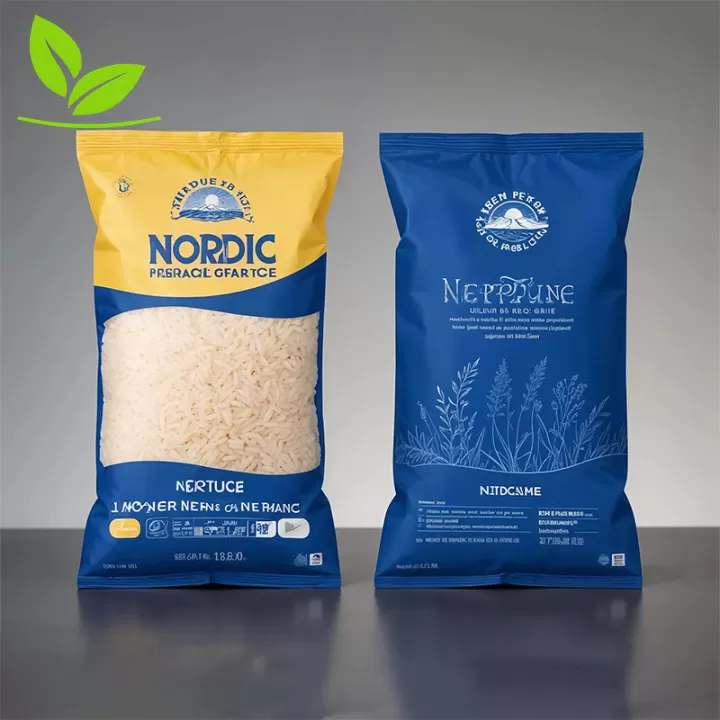 Why BOPP Laminated Bags are the Choice for Premium Rice Bran
 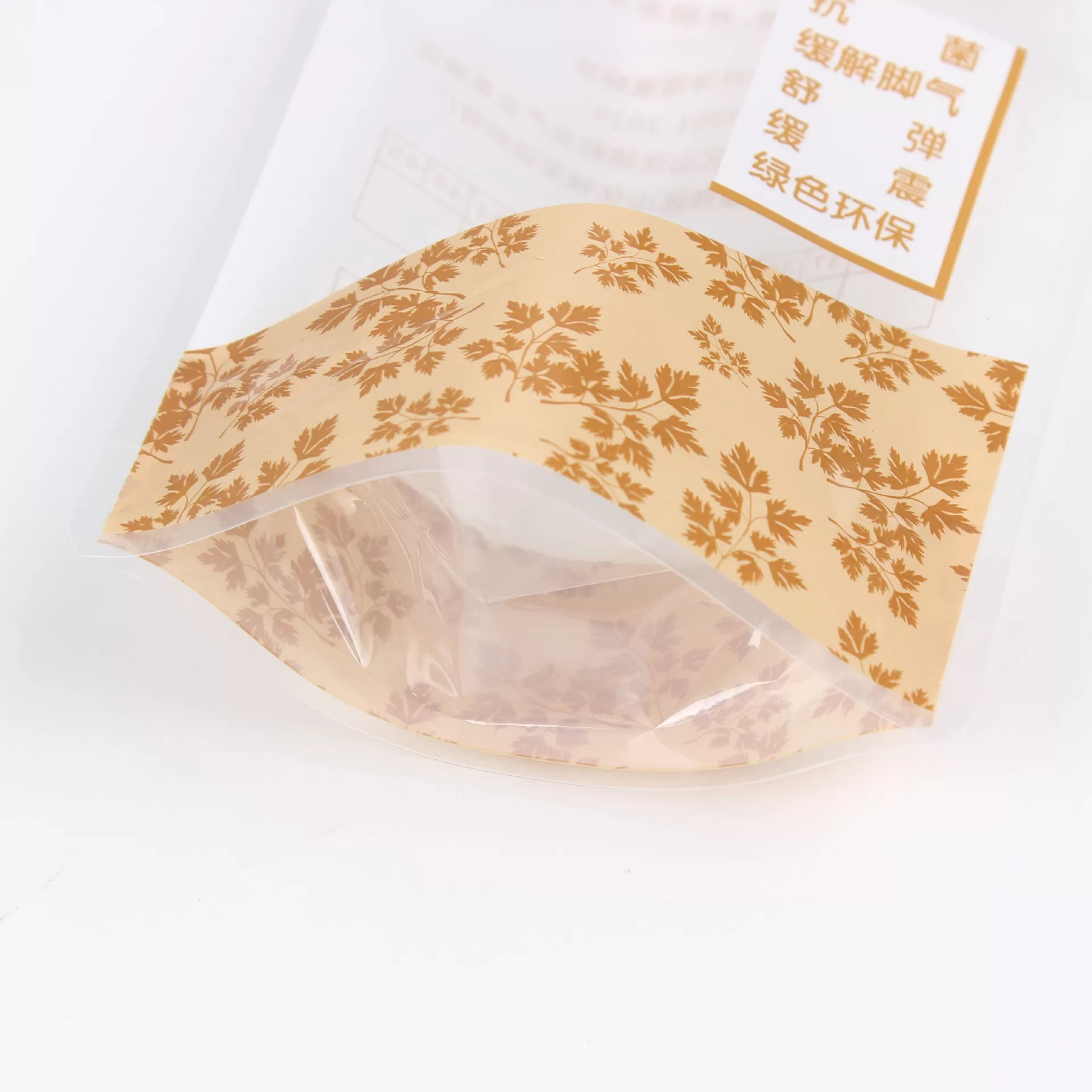 Understanding Food-Grade Packaging Certifications (FDA, SGS)


- Zhaowang and Dongguang, Tianhe Distric
